Contact
Baltic Windtunnel GmbH
Gewerbegebiet 4
18276 Lüssow OT Karow
Germany
Fon: +49(0)3843/6998930
Fax: +49(0)3843/855556
Web: www.windtunnel24.com
Mail: info@windtunnel24.com

Windtunnel WT327 – isolated
[yith_currency_shortcode slug="list-select"]
Price without mounting on customer site and without transport
Measuring cross section: 400x 400mm
Max. windspeed: 50 m/s
1. General Description
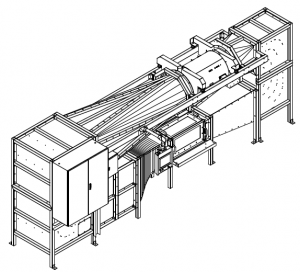
The wind tunnel is designed as a thermally insulated closed-loop system with horizontal airflow in a vertical (standing) structural configuration. The design is specifically engineered to provide thermal decoupling from the surrounding environment, ensuring stable and reproducible flow and temperature conditions within the entire tunnel system.
This configuration is particularly suitable for aerodynamic investigations requiring constant thermal boundary conditions, temperature-dependent measurement procedures, and testing in climate-controlled environments.
The wind tunnel covers a continuously adjustable speed range from 3 m/s to 60 m/s, allowing both sensitive low-speed measurements and testing at high flow velocities.
Due to its modular design, the system can be flexibly adapted to project-specific requirements. In particular, the test section is individually configurable and can be customized in terms of dimensions, accessibility, and optical equipment.
Thermal insulation of the main tunnel components significantly reduces heat exchange between the internal airflow and the surrounding environment. As a result, external temperature influences are minimized and stable test conditions are ensured. In addition to the thermally insulated configuration, the wind tunnel is also available in a non-insulated standard version. This alternative is mechanically identical in design but does not include thermal decoupling measures. It is intended for applications where thermal stability is not a critical requirement. Learn more
Overall dimensions of the complete system are:
• Total length: 6,320 mm
• Total width: 2,000 mm
• Total height: 2,500 mm
The compact standing configuration allows integration into existing industrial and research facilities without requiring exceptional structural modifications.
Technical Data
| Design type | Closed loop | |
| Measuring cross section | mm | 400 x 400 |
| Measuring length | mm | 600 |
| Max. windspeed | m/s | 50 |
| Turbulence level | % | 0,6 @50% Windspeed |
| Contraction | 4,5 |
2. Basic Structure
The wind tunnel features a modular design. All main components are constructed as bolted assemblies, allowing individual transportation, installation, and maintenance.
The primary modules include:
• Thermally insulated settling chamber with honeycombs and three flow straightening screens
• Thermally insulated high-performance nozzle for uniform flow acceleration
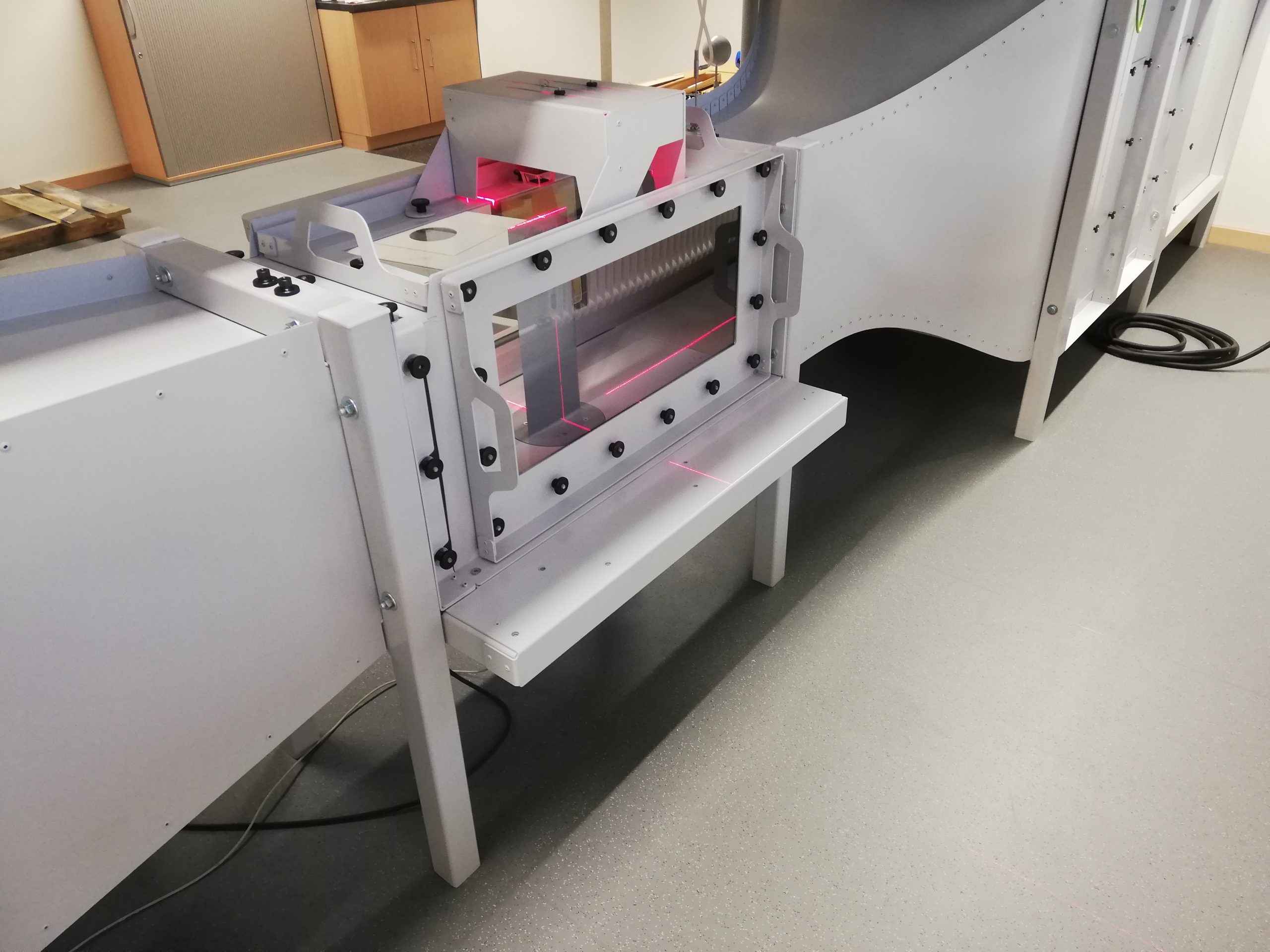
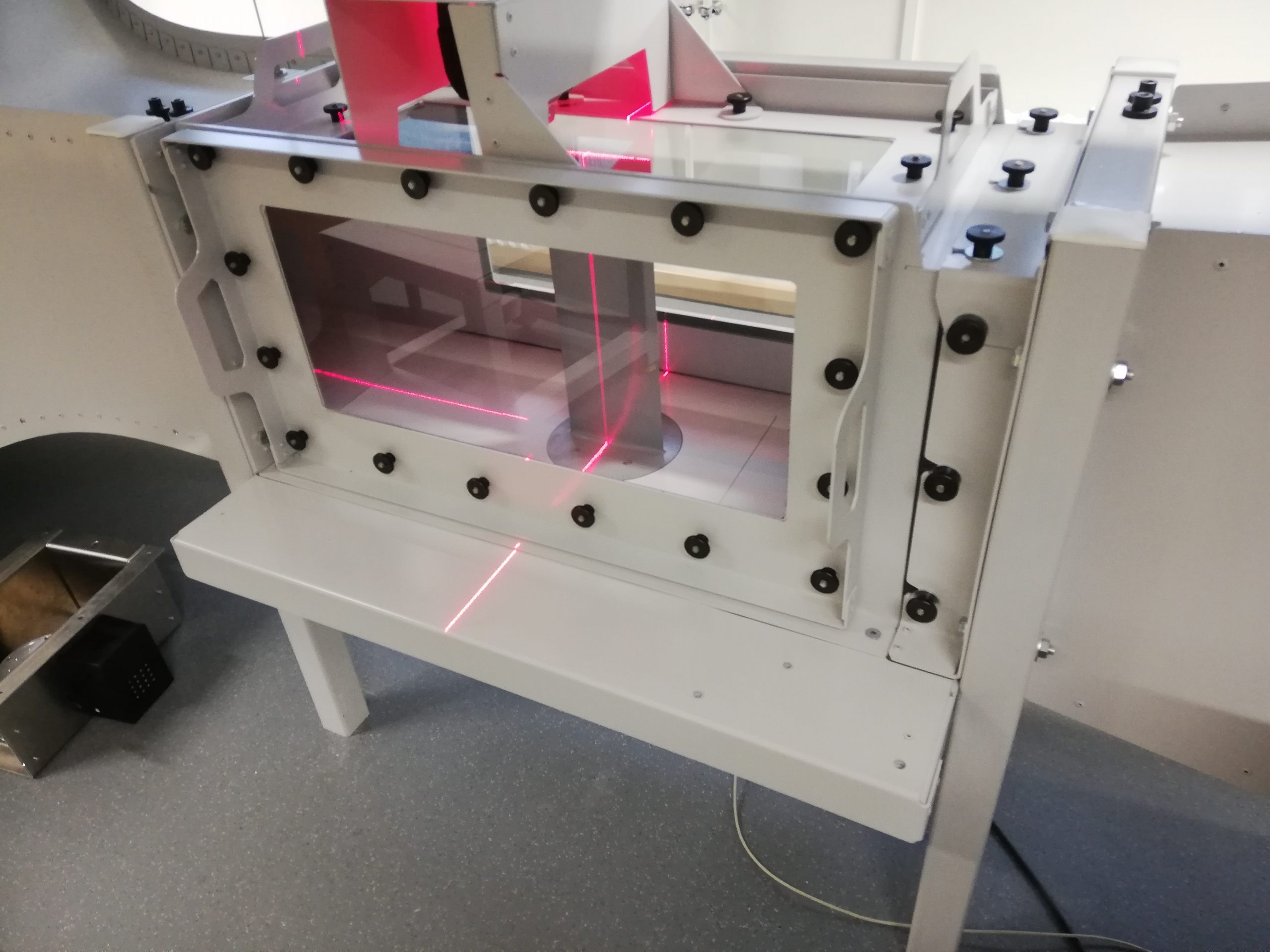
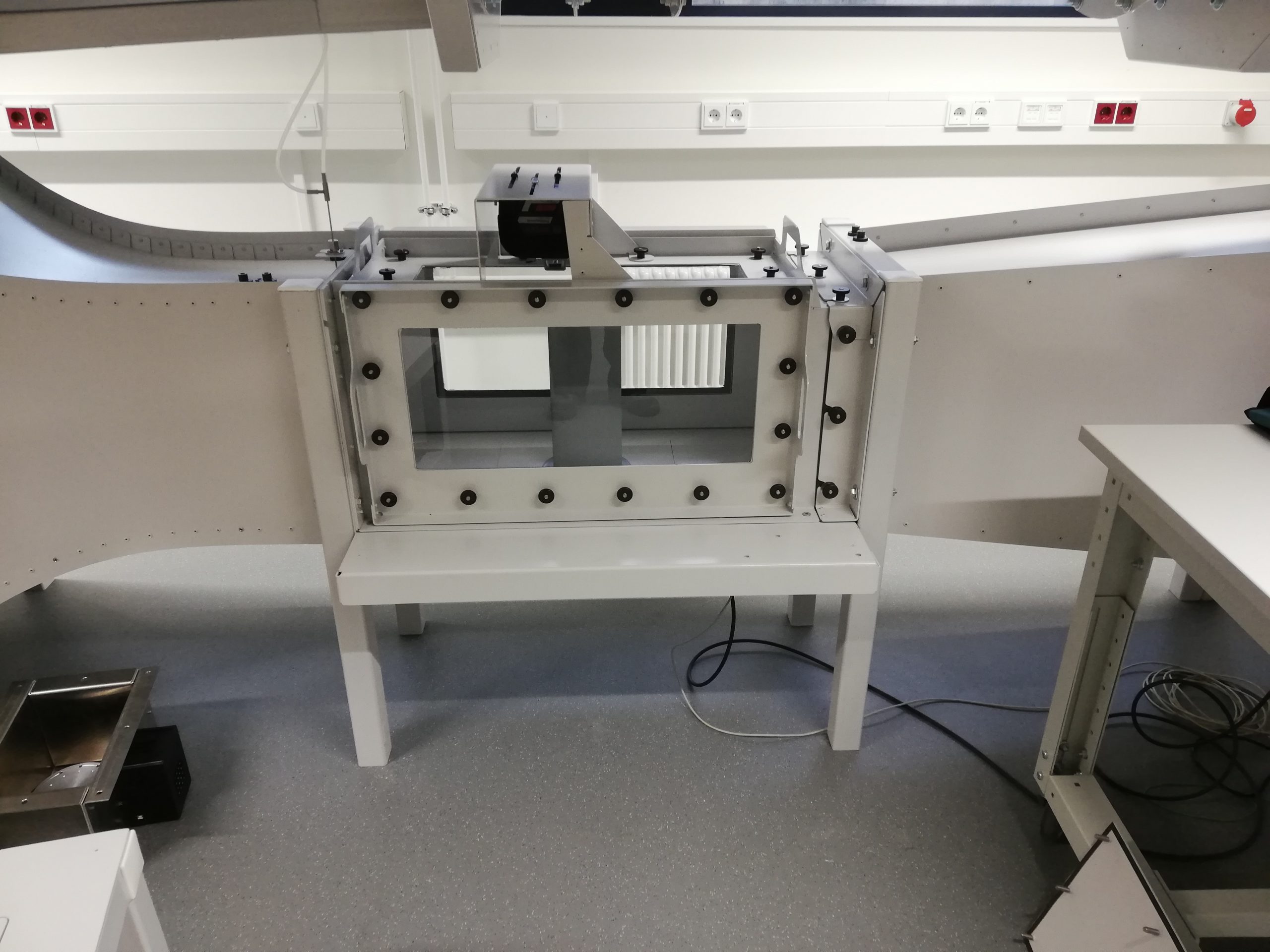
• Project-specific thermally decoupled test section with optional glazing
• Axial fan unit with vibration isolation
• Insulated return duct for closed-loop air circulation
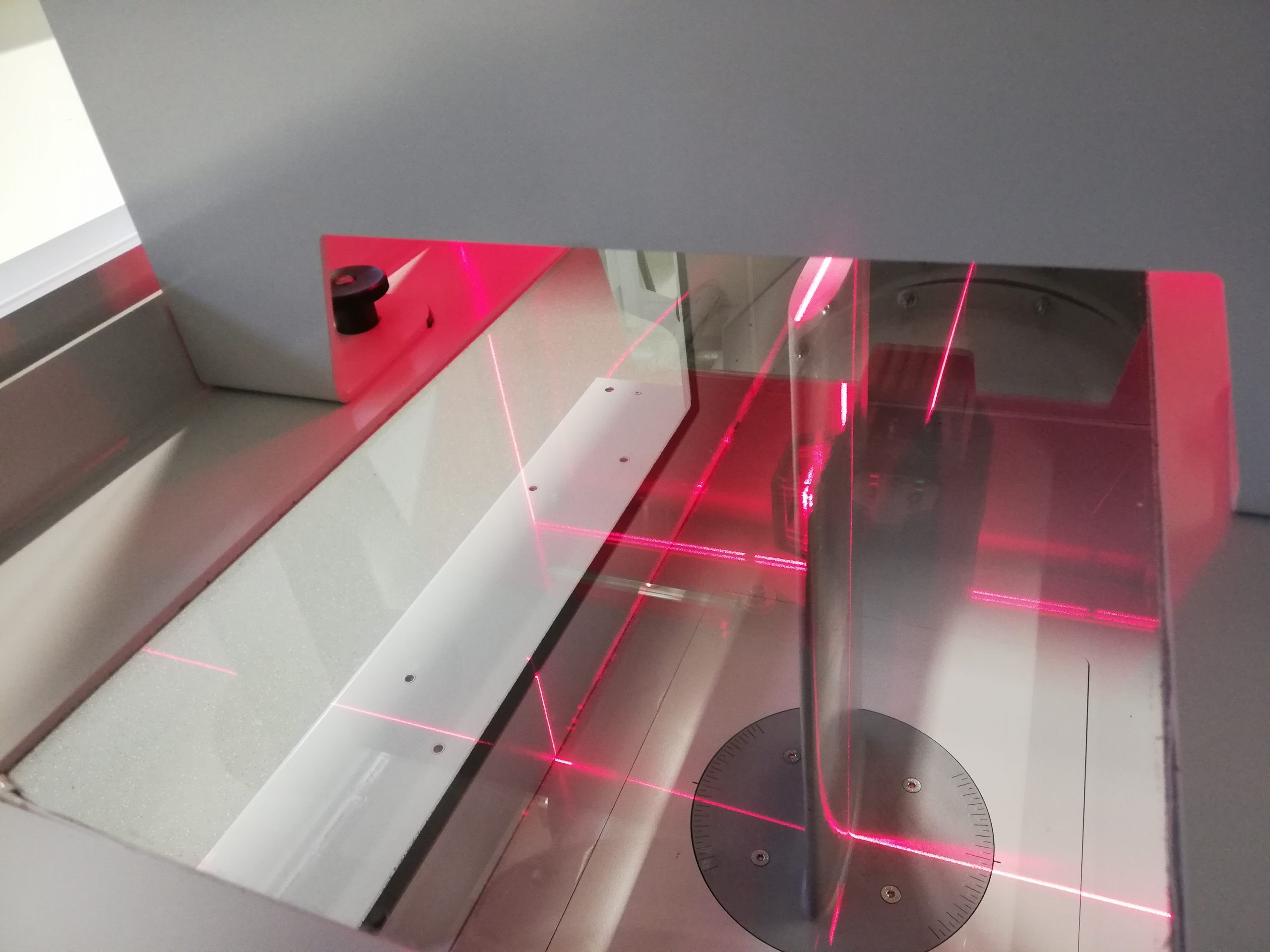
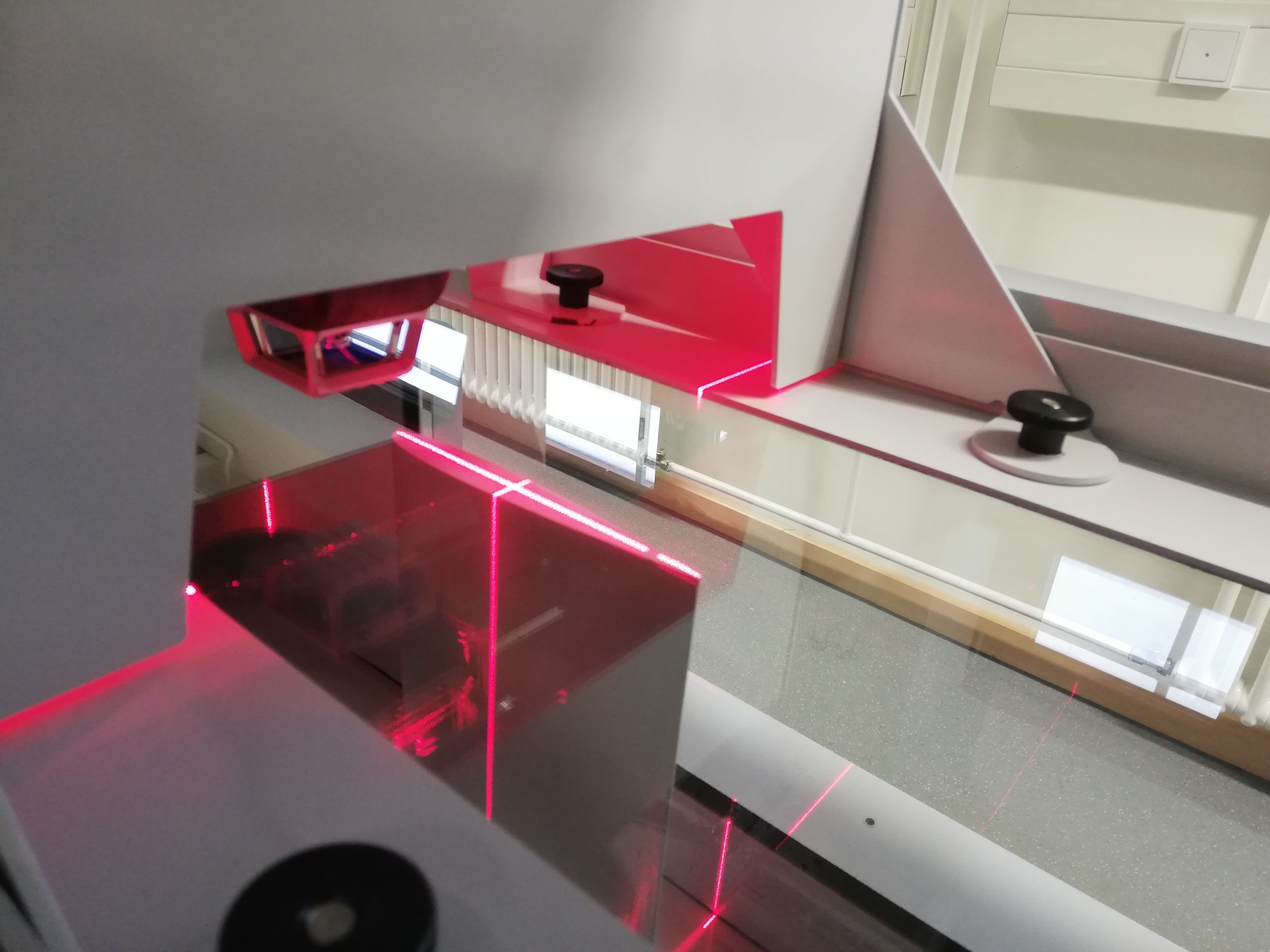
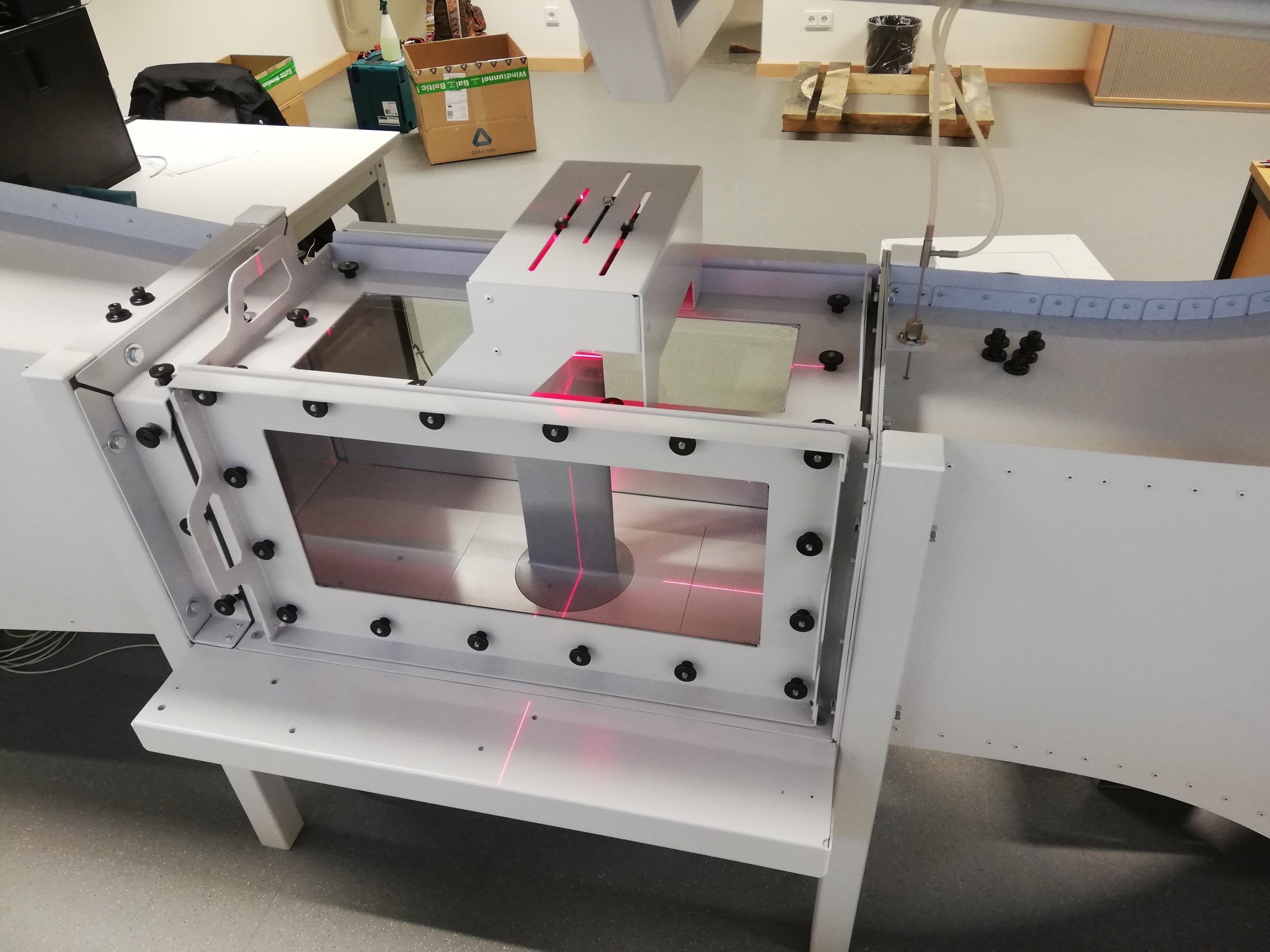
The test section can be fully or partially glazed depending on project requirements, enabling the use of optical measurement techniques. A rotary turntable for precise model positioning can be integrated upon request. The test section floor is designed as a rigid, non-moving structure.
To accommodate varying testing requirements, interchangeable test chambers can be implemented. Compact configurations typically include cross sections in the range of approximately 400 × 400 mm.
The facility is intended for indoor installation. Under typical load conditions, special foundation measures are generally not required.
3. Flow Conditioning and Turbulence Level
The flow conditioning system is designed to ensure uniform and reproducible airflow. A turbulence intensity of only 0.6% is achieved at the test section inlet, allowing reliable aerodynamic measurements even for highly sensitive applications.
The thermally insulated settling chamber includes:
• Honeycombs for correcting swirl and cross-flow components
• Three coordinated flow straightening screens for further velocity profile smoothing
The airflow is subsequently accelerated through a thermally decoupled, aerodynamically optimized nozzle. The contraction ratio of 4.5 ensures uniform flow transfer into the test section while maintaining a compact overall system design.
An integrated turbulence monitoring system can be provided as an option. It is directly connected to the control system and enables continuous monitoring of flow quality during operation.
4. Drive Concept
The drive system is based on a high-performance axial fan designed to provide stable airflow across the entire speed range.
The fan is mounted using vibration-isolated supports to prevent mechanical oscillations from transferring to the tunnel structure. This significantly improves measurement stability and increases system durability.
Speed control is performed continuously via a frequency inverter, allowing precise adjustment of airflow conditions according to test requirements.
An external control interface can be implemented on request to integrate the wind tunnel into existing test rigs or customer-side control systems.
5. Control System, Regulation and Software
The system is operated via a local industrial touch panel that allows convenient control of all operating parameters and clear visualization of relevant measurement data.
In addition, the wind tunnel can be controlled remotely via PC software. This enables remote access as well as integration into higher-level testing and automation environments.
The following parameters are monitored and displayed:
• Flow velocity
• Air temperature
• Barometric pressure
• Air humidity
• Reynolds number
• Turbulence intensity
The velocity measurement system provides very high accuracy suitable for demanding aerodynamic investigations.
Optional features include:
• Continuous data logging
• Automated test programs for predefined test sequences
• Interfaces for integration of external measurement systems
6. Measurement Equipment and Extensions
The measurement equipment is modular and can be fully adapted to specific project requirements.
Optional integrations include:
• Force and moment balance systems
• Multi-channel pressure measurement systems
• Traversing systems for detailed flow analysis
• Optical measurement techniques such as PIV or laser light sheet methods
• Smoke and fog visualization systems
Permissible model dimensions and model weights depend on the selected test chamber geometry and are defined individually for each project.
7. Thermal Decoupling and Insulation Concept
The thermal decoupling of the wind tunnel is designed to minimize heat exchange between the internal airflow and the surrounding environment. This ensures stable temperature conditions within the flow circuit and enables highly reproducible test results.
For this purpose, the flow-carrying main modules are equipped with multi-layer insulation systems that significantly reduce heat transfer caused by conduction, convection, and thermal radiation.
Thermal decoupling measures include:
• Insulated wall structures of the tunnel modules
• Thermally separated connection segments between major assemblies
• Reduction of thermal bridges at structural interfaces
• Project-specific insulation thicknesses depending on temperature range and operating environment
These measures make the wind tunnel particularly suitable for:
• Temperature-dependent measurement procedures
• Long-term tests requiring stable ambient conditions
• Climate-controlled test facilities
• Investigations with strict thermal tolerance requirements
The insulation concept is engineered according to project-specific requirements and can be applied to selected modules or to the complete tunnel system.
Accesories
Attention! Any power electronics and windtunnel control shown are not included in the sales price and must be purchased separately!